Open-source projects can help you make money as a developer when you use them to solve a problem someone will pay to have solved. The repository supplies a starting point; your work turns it into an implemented, supported service. This guide examines ten GitHub projects, how they work, who could buy a useful implementation and exactly what to do next. It includes licence boundaries, real repository screenshots and practical examples for developers in Kenya and elsewhere.
How these projects were selected and researched
We selected upstream projects that address recognisable business tasks, expose a plausible route to paid developer work and provide public source code and documentation. We inspected repository descriptions, licence files and official documentation, and checked GitHub metadata on 17 October 2026. All ten repositories were public and unarchived at that check, with recent activity. That is a maintenance signal, not a security audit, support guarantee or proof of market demand.
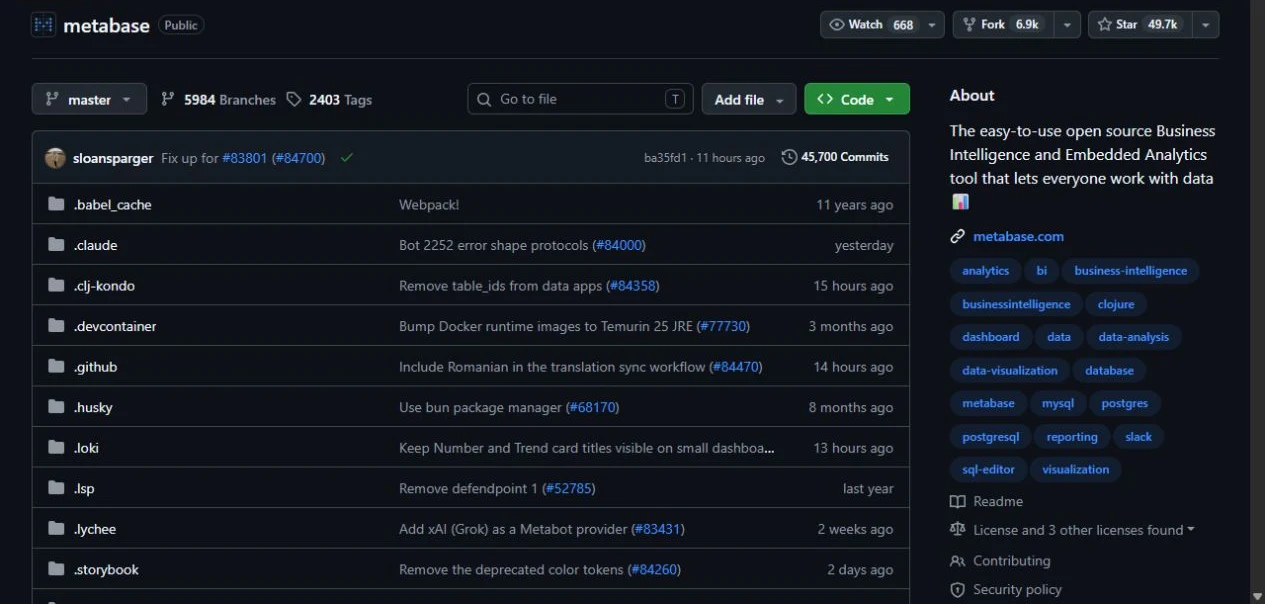
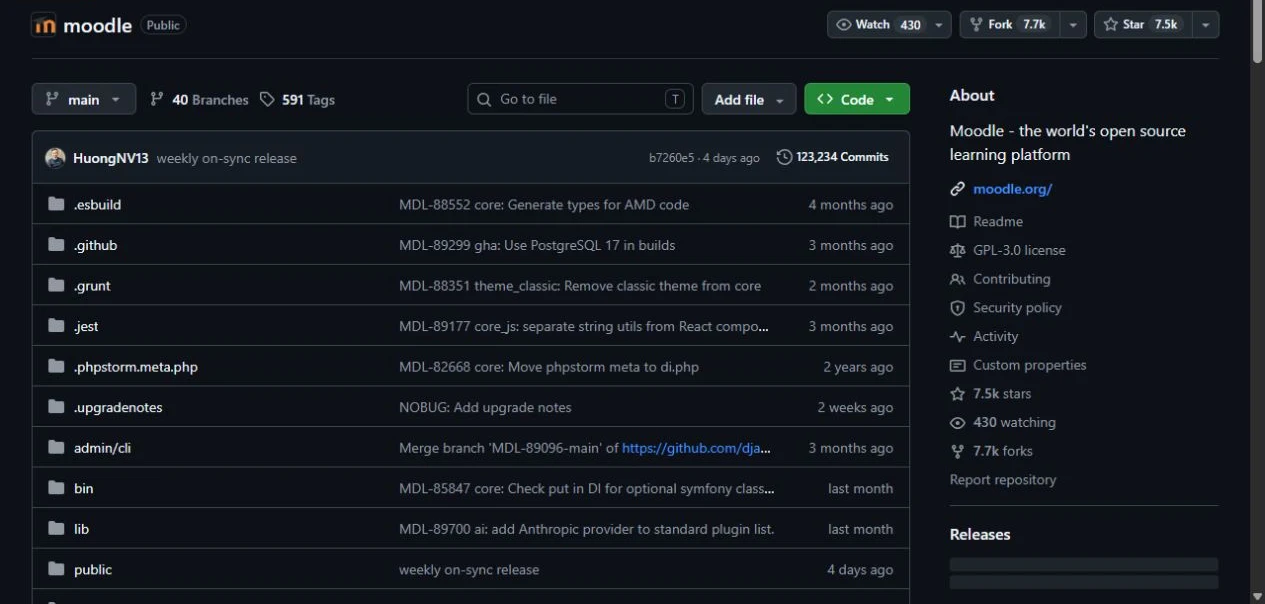
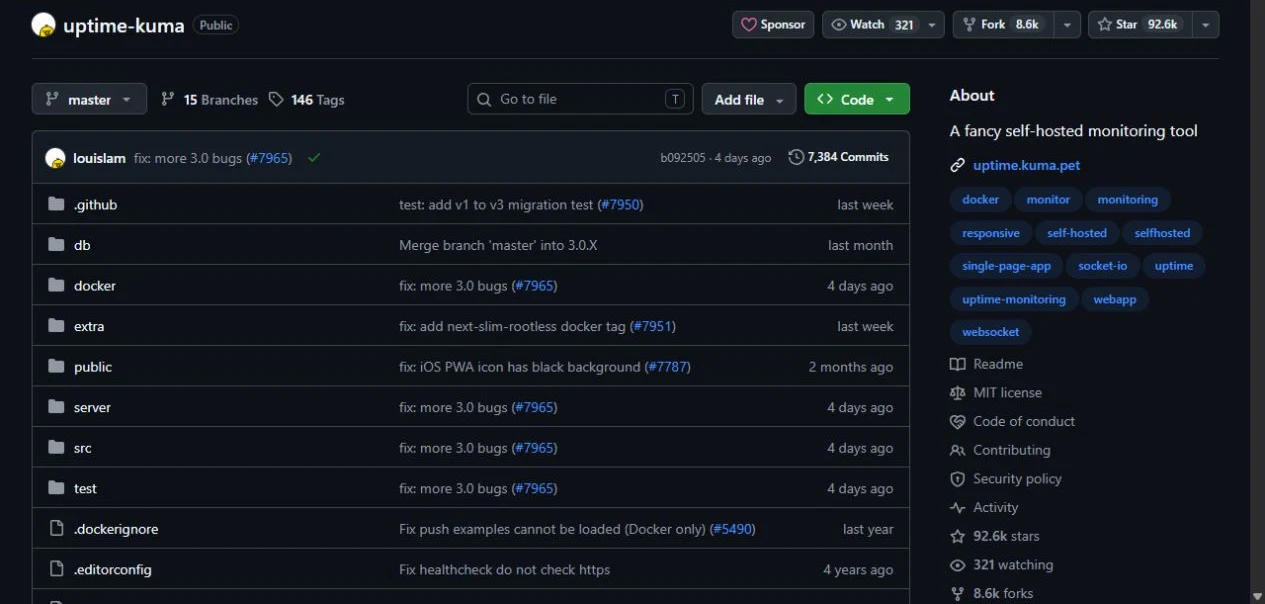
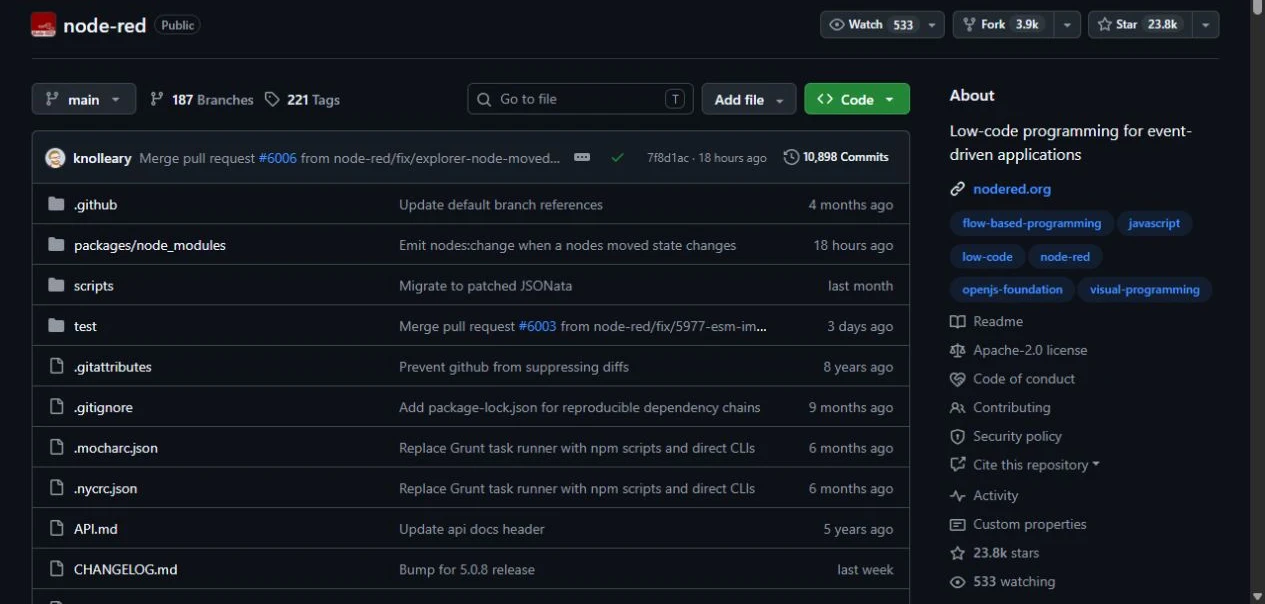
The screenshots below were captured from the actual upstream GitHub pages. They show where to inspect the project and its source, not applications we built for clients. We do not rank the projects by stars, repeat viral earnings claims or imply that a fork grants ownership of the original work. The offers, buyer examples and pilot plans are our editorial analysis. No revenue outcomes, local market averages or conversion rates have been measured for this guide.
This is an independent selection for useful commercial work, not a verified reconstruction of a social-media video's list. We deliberately separate genuinely open-source components from other publicly visible code. For example, n8n's own licence guidance describes its Sustainable Use License and explains why the company does not call that licence open source. It may support legitimate consulting work, but it is outside this article's ten-project selection.
Compare the 10 projects by the service you could sell
Use this table to shortlist a starting point, then read the relevant project section. The fit and effort descriptions are editorial judgements, not measured delivery times. Existing skill, client scope, data quality and hosting requirements can change the difficulty dramatically. A project with more functionality is not automatically a better first business.
| Project | Possible paid outcome | Useful starting skills | Main challenge |
|---|---|---|---|
| WooCommerce | An operated online store | WordPress, PHP, checkout testing | Plugin compatibility and payment reliability |
| Medusa | A custom commerce workflow | TypeScript, APIs, backend operations | Integrations and distributed order state |
| ERPNext | A business operations rollout | Process analysis, Frappe, data migration | Data reconciliation and organisational change |
| Payload | An editable site or tailored backend | React, Next.js, TypeScript | Access rules, content models and hosting |
| Chatwoot | A working team support inbox | Hosting, channel APIs, support operations | Channel delivery and team ownership |
| Appsmith | A staff workflow tool | SQL, APIs, JavaScript | Safe writes and permissions |
| Metabase | Reconciled business reports | SQL and business analysis | Metric definitions and data freshness |
| Moodle | A functioning course delivery system | Web operations and learning workflows | Content readiness and learner support |
| Uptime Kuma | Monitoring within a care plan | Web hosting and incident response | Responding meaningfully to alerts |
| Node-RED | A dependable system integration | APIs, JavaScript, event processing | Retries, duplicates and runtime security |
Where the money comes from: five offers a client can understand
Discovery and scope. Charge for understanding the current process, inspecting sample data and identifying a realistic first release. The output is a written workflow, risks, exclusions and acceptance criteria. Discovery should reduce uncertainty rather than disguise an open-ended sales conversation. For a complex ERP or commerce project, it can be a valuable standalone engagement even if the buyer does not commission the full build.
Implementation and migration. Configure the platform, build the necessary interface, import approved data and prove the agreed tasks. Give the client a working outcome with a clear boundary: one store, one team inbox or a defined set of reports. A statement such as 'up to three source files mapped to an agreed import format' is more reviewable than 'all your data migrated'.
Integration and extension. Connect a payment provider, courier, internal system or reporting source when there is a supported API and a defined need. The reusable asset is often an adapter, test suite or discovery checklist you create, not a heavily modified copy of an entire upstream platform. Check licence compatibility before packaging that asset for reuse.
Training and handover. Help the people operating the software perform their tasks. Use their approved material and give them concise instructions, account ownership and recovery procedures. Training is concrete work, especially when changing an established process. Do not assume a screen recording replaces a live check that staff can complete the required actions.
Maintenance and managed operations. Offer updates, monitoring, backups and incident response at a defined level. A monthly fee creates recurring obligations as well as recurring revenue. Agree service hours, included work, escalation and what counts as a separately quoted change. Managed hosting should be offered only where the applicable licences, provider terms and your operational capacity permit it.
1. WooCommerce: build and maintain online stores
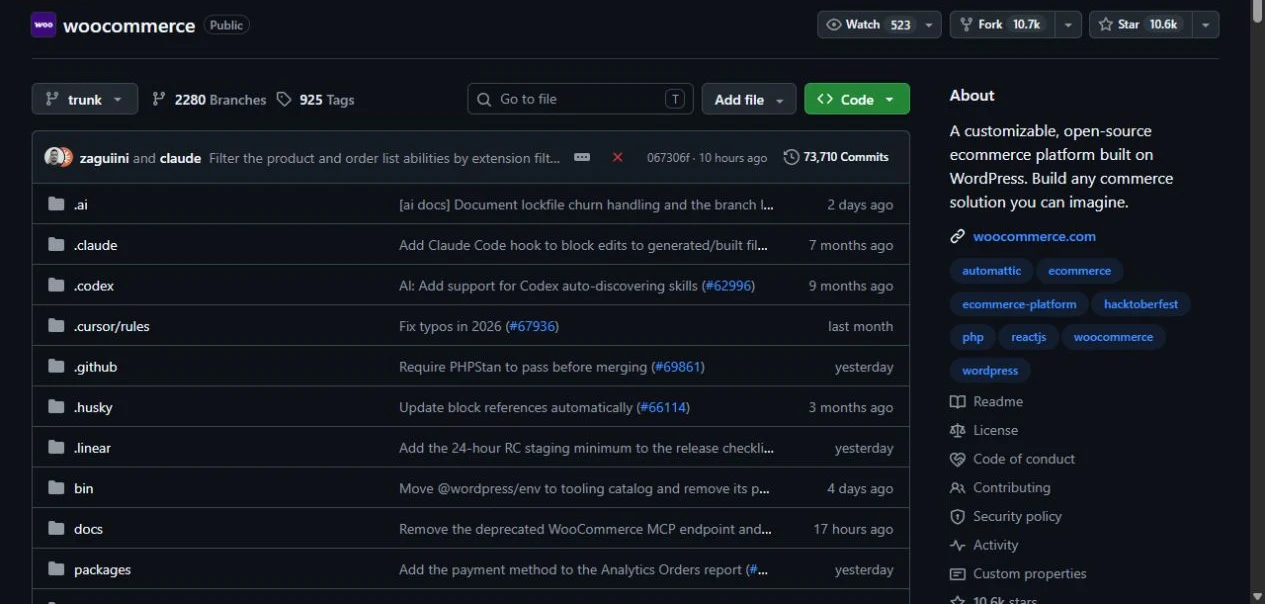
Open WooCommerce on GitHub · Official documentation
How it works. WooCommerce adds commerce to WordPress: products, a cart, checkout and order administration. Developers extend behaviour through plugins and hooks, or connect other software through its REST API. This makes it a foundation for an operated store rather than just a product catalogue. A merchant-facing dashboard also means your client can handle routine work after handover.
Who might pay. An independent retailer with existing customers, a usable catalogue and someone responsible for fulfilment is a better first buyer than an unvalidated marketplace. A hypothetical Nairobi cosmetics shop taking orders through social media could need consistent stock, delivery charges and order confirmations. Interview the person packing orders as well as the owner: their process determines whether the store will actually be used.
What you can sell. Sell a defined store launch: catalogue import within an agreed item limit, mobile checkout, a supported payment connection, delivery rules, staff training and an acceptance checklist. Follow it with an optional care plan for updates, backups, checkout checks and a stated amount of minor work. Charge separately for product photography, copywriting, paid extensions, transaction fees and new integrations. The commercial value is the complete buying and operating experience.
Commercial potential. WooCommerce is an approachable starting point for a developer who already understands WordPress and PHP. You can reuse discovery documents and import tooling while designing for each merchant. Repeat work may come from catalogue improvements, checkout troubleshooting or connecting a fulfilment system. Competition is substantial, so choose a retail niche and show a working order journey instead of advertising another generic ecommerce package.
Licence and boundaries. GPL-3.0; check bundled components and extensions separately. Read the upstream licence for the version and components you use. Every extra plugin adds dependencies to maintain. Test payment callbacks, failed payments, refunds and stock changes; never treat a successful payment popup as proof that an order is safely paid. M-Pesa availability depends on your chosen provider and integration, not on merely installing WooCommerce. Keep tax settings and any statutory invoicing requirements in the agreed scope, with current specialist verification where needed.
What a successful pilot should prove. Acceptance evidence: a customer can place an order, a verified payment updates the right order once, stock is correct, staff can fulfil it, and the store can be restored from backup.
What to do with it, in order:
- 1. Interview one retailer and map an order from enquiry to dispatch, including cancellation and refund handling.
- 2. Build a demo using sample products; show a complete mobile purchase and the staff order screen.
- 3. Choose payment and shipping integrations, record their ongoing costs, and test failures in the provider sandbox.
- 4. Pilot an agreed catalogue, test stock and order emails, and train the person fulfilling orders.
- 5. Sell maintenance with a staging update process and a real backup-restore check, not an unlimited support promise.
2. Medusa: deliver custom commerce workflows
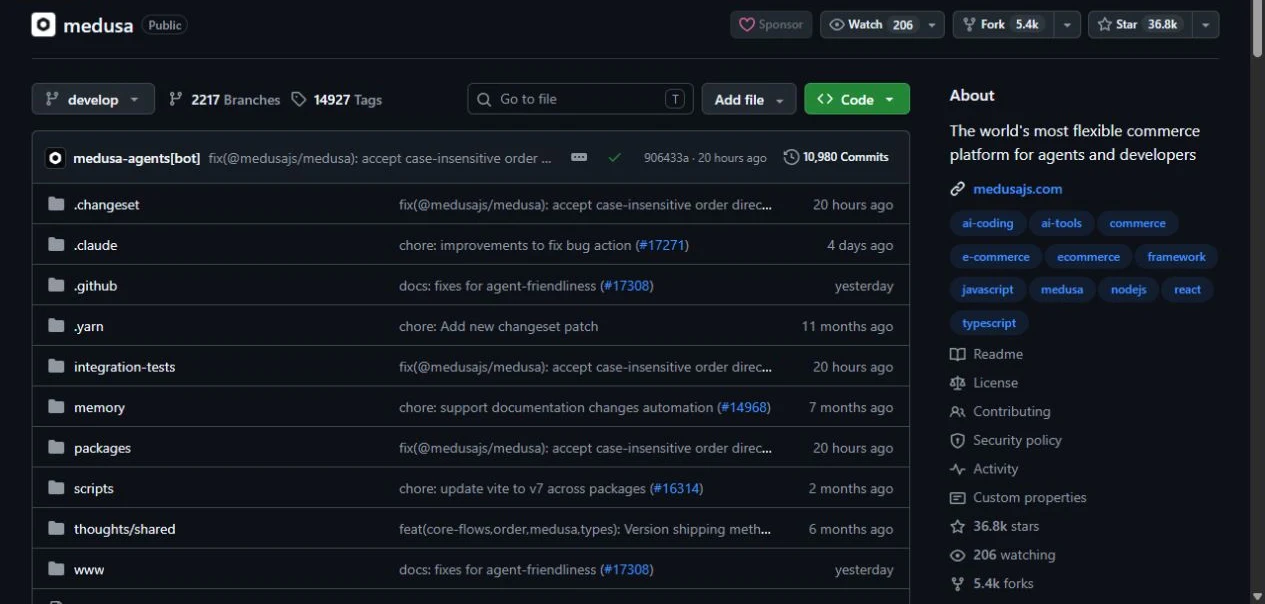
Open Medusa on GitHub · Official documentation
How it works. Medusa separates commerce capabilities from the storefront. Its modules supply building blocks for commerce, while its framework supports custom workflows and integrations. You build the customer experience and connect it to the commerce backend. This gives you more control over unusual ordering rules, but also more responsibility for deploying and maintaining the pieces of the system.
Who might pay. Look for a merchant whose valuable workflow does not fit an ordinary store. A hypothetical Kenyan footwear wholesaler might require box quantities, different customer prices, approval before dispatch and integration with warehouse stock. The opportunity becomes credible when the buyer can explain which existing workaround causes errors or blocks orders. A basic small shop may be better served by WooCommerce or an existing hosted product.
What you can sell. Begin with paid discovery and an integration prototype, then quote a narrowly defined commerce build. Possible deliverables include a wholesale ordering portal, a custom checkout or a connector between commerce and fulfilment. Recurring work can cover hosting operations, integration monitoring and planned improvements. Separate the development fee from infrastructure, payment processing and any commercial feature licence.
Commercial potential. The potential is deeper implementation work for developers comfortable with TypeScript, APIs and backend operations. A reusable adapter or well-designed ordering module can shorten later projects, subject to the relevant licences. The sale depends on understanding the merchant's economics and process; a beautiful headless storefront alone is a weak reason to pay for the extra moving parts.
Licence and boundaries. MIT for the open-source code; separately identified Enterprise Edition materials have commercial terms. Read the upstream licence for the version and components you use. Keep a firm boundary between Medusa's open-source materials and its separately licensed enterprise code. A public monorepo does not make every package MIT. Check compatibility before promising a payment provider. Design idempotent callbacks, inventory consistency and a migration path for real orders. Avoid launching a multi-vendor marketplace as your first learning exercise: disputes, settlements and seller operations expand the scope quickly.
What a successful pilot should prove. Acceptance evidence: the unusual ordering rule works from customer input through the backend and fulfilment system, including failure recovery without duplicate orders.
What to do with it, in order:
- 1. Choose one costly ordering rule and document why a simpler platform does not meet it.
- 2. Build a small backend and storefront using a stable documented release, not an unchecked development branch.
- 3. Prototype the hardest integration first, with duplicate events, timeouts and retry behaviour.
- 4. Agree acceptance tests for pricing, quantities, payment state, cancellations and warehouse handoff.
- 5. Release to a limited customer group, monitor orders and define who owns each system after handover.
3. ERPNext: implement inventory and business operations
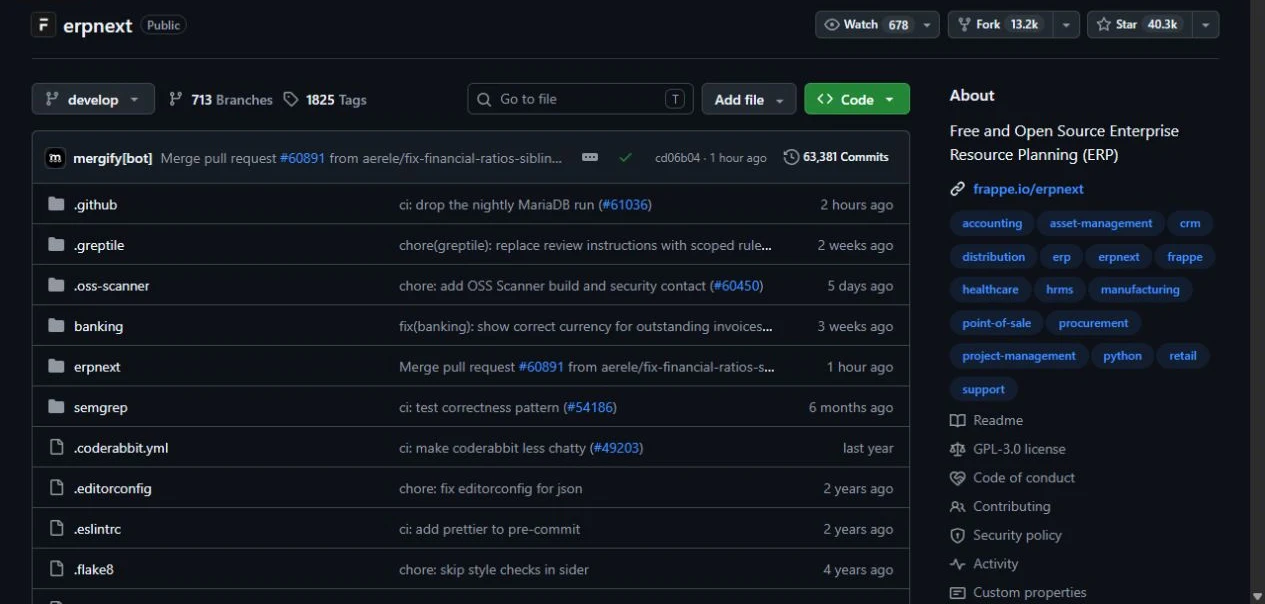
Open ERPNext on GitHub · Official documentation
How it works. ERPNext brings business records and workflows into one system, including accounting, purchasing, sales, inventory and manufacturing. It runs on the Frappe framework, which supplies the application platform and APIs. Documents and linked transactions make it possible to follow a business event across departments. Implementation involves configuring that relationship correctly, not simply installing a dashboard.
Who might pay. A distributor, workshop or growing retailer working across disconnected spreadsheets may have a clear problem worth investigating. For example, a hypothetical spare-parts distributor could struggle to reconcile purchases, stock movements and sales. Ask for representative anonymised documents and observe the actual workflow. If the business cannot agree who approves transactions or maintains product records, software installation will not resolve the disagreement.
What you can sell. Sell process discovery, data preparation, configuration, migration rehearsals, training and a controlled go-live. Start with inventory and purchasing in one location if that is the immediate problem. Additional phases can cover reporting or integrations. A support agreement may include upgrade planning, scheduled data checks and staff onboarding. Quote data cleanup explicitly; it is often more demanding than the initial deployment.
Commercial potential. ERPNext can support substantial service work because a correctly operated system touches recurring business processes. Domain knowledge is the differentiator: learn one kind of business well enough to ask useful questions about stock, approvals and reporting. A specialist implementation practice can be more defensible than a broad promise to automate any company. This is a more demanding entry point than a brochure website and needs access to someone who understands the client's accounts.
Licence and boundaries. GPL-3.0. Read the upstream licence for the version and components you use. The GPL permits commercial activity subject to its conditions; distributing covered modifications brings source obligations. Follow the project's trademark policy and do not imply official partner status. ERPNext does not automatically establish that a Kenyan company's accounting, tax or eTIMS obligations have been met. Validate local integrations separately with appropriate expertise. The repository also distinguishes its disposable demo setup from a production deployment.
What a successful pilot should prove. Acceptance evidence: opening balances reconcile, stock movements can be traced, staff permissions match responsibilities, and the business signs off representative transactions.
What to do with it, in order:
- 1. Map one department's process, its documents, approvals and reporting definitions before selecting modules.
- 2. Run an isolated demo with invented records and prove a purchase-to-stock-to-sale workflow.
- 3. Prepare an import template, identify duplicate records and rehearse migration with reconciliation totals.
- 4. Pilot one location with named business owners, staff training and a rollback decision point.
- 5. Document backups, restore procedures, upgrade windows and support boundaries before expanding the rollout.
4. Payload: build editable websites and custom backends
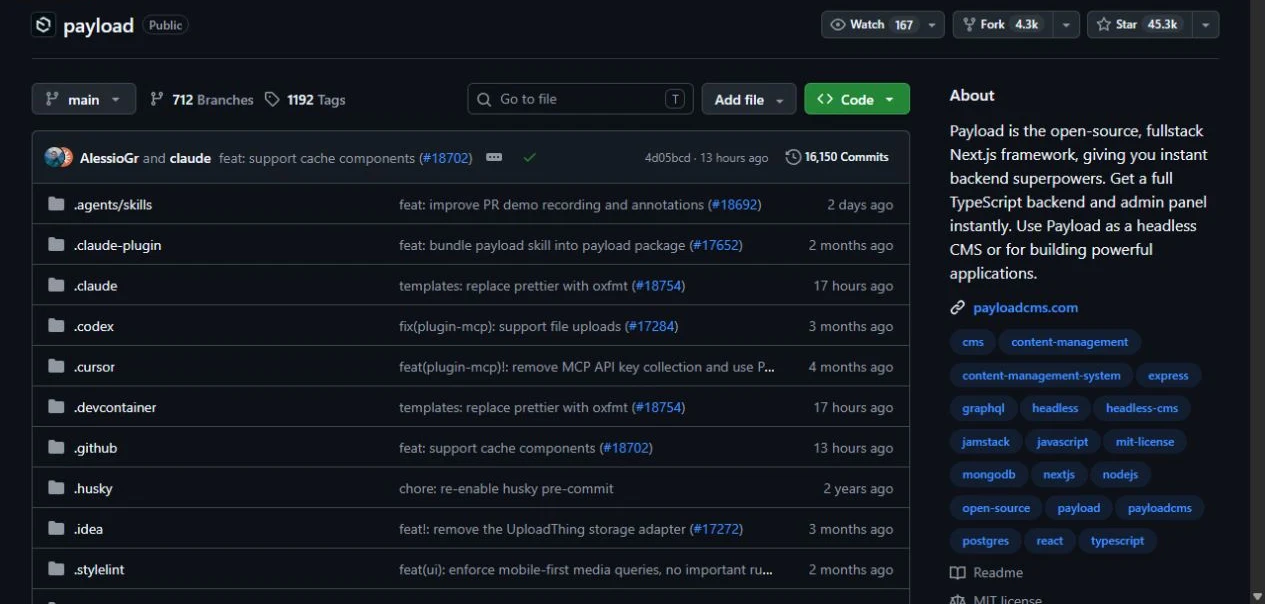
Open Payload on GitHub · Official documentation
How it works. Payload uses a TypeScript configuration to define content and application data. From that configuration it provides an admin panel, APIs, authentication and access controls within a Next.js-based application. Instead of creating every content form by hand, you define the model and extend the behaviour where the client needs something specific. The public website and editorial interface can share a clear data contract.
Who might pay. A professional-services firm, publisher or multi-location business that changes content regularly may value a tailored editing system. A hypothetical training company might need courses, tutors, locations and related resources to stay consistent across its site. Start with the editor's tasks: which fields change, who reviews them and what must never appear publicly? The answer is more useful than choosing a CMS because it is fashionable.
What you can sell. Package an editable site with a documented content model, migration, access rules, responsive templates and editor training. A follow-on offer could cover content operations, performance monitoring or a small customer portal with a separate scope. Reuse a technical starter and editorial checklist, but keep each client's credentials, data and production environments isolated. Explain precisely which changes staff can make without a developer.
Commercial potential. For a React or TypeScript developer, Payload can shorten the route from bespoke website work to more capable business applications. The commercial advantage is an editing experience built around the client's material, with ownership and handover understood. The opportunity is strongest when content has structure and a responsible editor. A very small site that changes twice a year may not need the runtime and administrative overhead.
Licence and boundaries. MIT for the repository licence; verify any separately purchased product or service. Read the upstream licence for the version and components you use. An admin panel is not a complete permission design. Check anonymous access, draft content, uploaded documents and field-level restrictions. Persistent database and media storage must be included in the hosting plan. Next.js application upgrades and CMS migrations need staging and backups. A static export alone cannot provide a live editing backend; do not quote static shared hosting for a system that requires an application runtime.
What a successful pilot should prove. Acceptance evidence: an authorised editor can update the intended content, unauthorised visitors cannot access private material, and published changes appear correctly without breaking existing URLs.
What to do with it, in order:
- 1. Interview the person editing content and sketch three real tasks they must perform unaided.
- 2. Model a small set of collections and relationships, with sample content and explicit access rules.
- 3. Build the public templates and test draft, publish, image upload and deletion behaviour.
- 4. Migrate a limited content set, check old URLs and train editors using their own approved material.
- 5. Hand over accounts, deployment instructions and tested database/media backup procedures.
5. Chatwoot: set up a shared customer-support operation
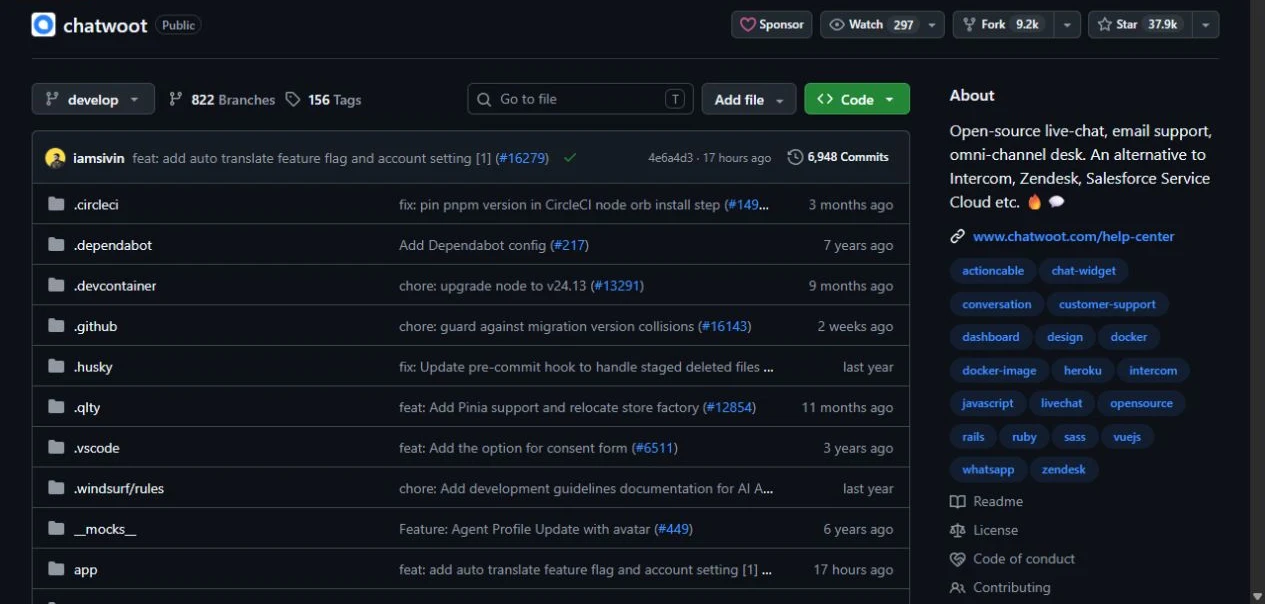
Open Chatwoot on GitHub · Official documentation
How it works. Chatwoot organises customer conversations into shared inboxes so a team can assign, manage and respond to support enquiries. Its open-source application can be self-hosted, and its integrations connect supported communication channels. The underlying service needs application hosting, data storage and background processing. Connecting a channel is only one part of building a dependable support operation.
Who might pay. Look for an organisation already receiving enough enquiries that messages are lost between employees. A hypothetical ecommerce team might need a visible owner for every unresolved conversation and a handover between shifts. A business with no response process will not gain one just by adding a chat bubble. Ask who answers messages, which hours they cover and what happens when a question needs another department.
What you can sell. Sell an inbox implementation with channel setup, team responsibilities, escalation rules, saved responses and staff training. Integration work could connect an internal order lookup or create a support case in an existing system. Maintenance may cover backups, application upgrades, failed delivery investigation and agent onboarding. Keep human support staffing separate from software maintenance unless you explicitly provide both.
Commercial potential. There is useful service potential where the customer experience breaks down across channels. A focused pilot can show whether conversations are assigned and resolved consistently, which is easier for a buyer to assess than an abstract claim about AI customer service. Recurring work follows from running the system and improving the workflow. Do not promise that automation will replace the support team or answer every customer correctly.
Licence and boundaries. MIT outside the separately licensed enterprise directory and third-party components. Read the upstream licence for the version and components you use. Check the enterprise boundary before promising a feature or removing branding. WhatsApp connectivity requires a supported route and the relevant provider setup; a self-hosted inbox does not remove channel policies or messaging charges. Customer messages can contain sensitive information, so define access, retention and exports. Verify outbound email and background jobs as well as the visible inbox. An unanswered queue is an operating failure even when the server is online.
What a successful pilot should prove. Acceptance evidence: an enquiry reaches the correct inbox, is assigned to a person, receives a deliverable reply and remains traceable during a team handover.
What to do with it, in order:
- 1. Audit one existing support channel and identify missed messages, ownership gaps and escalation needs.
- 2. Install an isolated evaluation instance and connect a test inbox with authorised accounts.
- 3. Configure teams, labels and handoff rules; build a small approved answer library.
- 4. Pilot with a real staffed team and test delivery, assignment, escalation and conversation history.
- 5. Agree monitoring, retention, backups and a written response plan before adding more channels.
6. Appsmith: replace repetitive staff workflows with internal tools
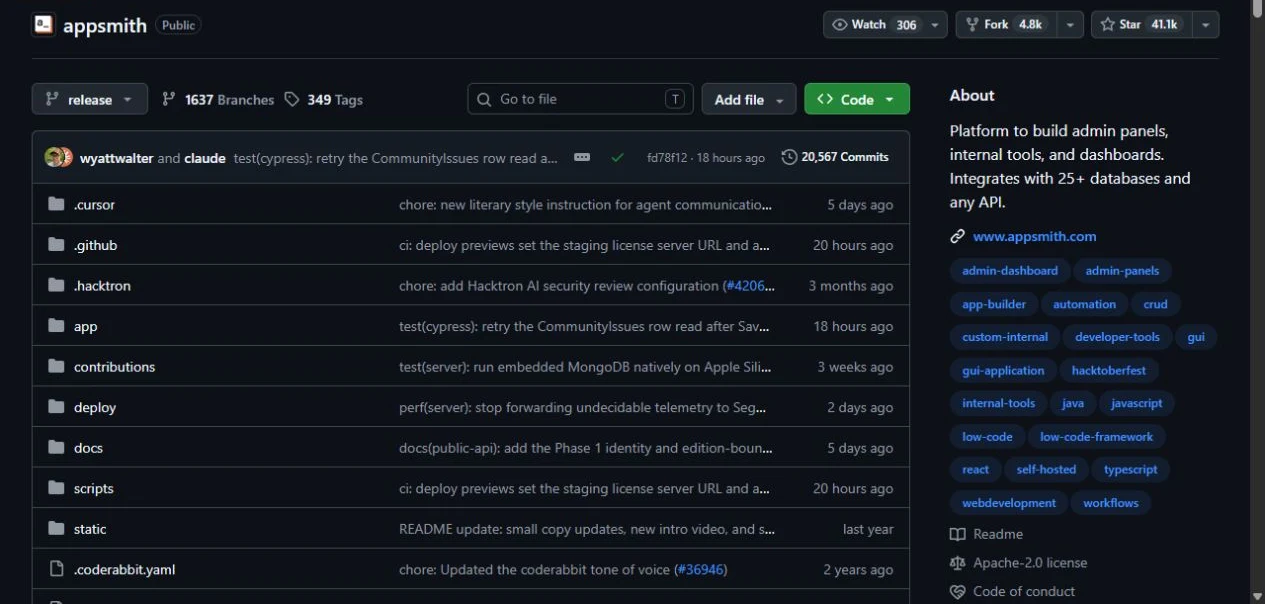
Open Appsmith on GitHub · Official documentation
How it works. Appsmith combines interface widgets, data connections and application logic to build internal dashboards and administrative tools. A developer can connect an API or database, present records in a usable interface and add actions for staff. It is a way to build the operational screen around an existing system, rather than replacing the entire system just to improve one awkward task.
Who might pay. A business with a stable backend but a clumsy manual process is a good discovery target. Imagine a distributor copying order details into a separate dispatch spreadsheet. A focused tool could give dispatch staff a filtered queue and a controlled status update. Observe the handoff first and establish which system is authoritative. Giving two screens equal ownership of the same order can create more confusion than the spreadsheet did.
What you can sell. Sell one internal workflow with agreed screens, approved data connections, validation and staff training. Examples include a stock-exception dashboard, a customer lookup or a request-approval tool. Start with read-only access where possible, then add narrowly scoped writes. Later work can include another workflow, query optimisation or maintenance. Define the number of data sources and actions in the original quotation.
Commercial potential. Appsmith suits developers who understand SQL, APIs and JavaScript and can translate a staff complaint into a safe workflow. The buyer pays for fewer manual steps and clearer responsibility, not the number of widgets. A small operational improvement can be easier to scope than a new enterprise application. The difficult part is often the quality of the source data and the permissions around changing it.
Licence and boundaries. Apache-2.0 for the open-source project; confirm the edition and paid features required. Read the upstream licence for the version and components you use. Do not let a browser control decide whether a user is allowed to modify business records. Enforce permissions and validation at the appropriate data or service boundary, and use restricted credentials. Verify whether the chosen edition includes the role controls, audit features or identity integration the client requires. Plan for connection failures, pagination and duplicate submissions. Low-code construction still needs engineering judgement and production support.
What a successful pilot should prove. Acceptance evidence: the authorised employee completes the task with correct data, a restricted employee cannot bypass controls, and failed requests do not corrupt records.
What to do with it, in order:
- 1. Measure one repetitive staff task and list the exact records and actions involved.
- 2. Connect a staging API or read-only database account and build the smallest useful screen.
- 3. Specify validation and permissions before adding any write action.
- 4. Test mistaken clicks, concurrent updates, partial failures and the existing system's source of truth.
- 5. Train the actual users, document the workflow and review whether it removed the intended manual steps.
7. Metabase: turn business data into usable reporting
Open Metabase on GitHub · Official documentation
How it works. Metabase connects to data sources and helps people explore information through questions, charts and dashboards. Its value depends on the quality and meaning of the underlying data. A reporting engagement typically involves agreeing metric definitions, preparing queries and presenting results in a way a business owner can use. It is a reporting layer, not a substitute for a reliable transaction system.
Who might pay. A company with usable transaction records but inconsistent management reports may have a concrete need. A hypothetical retailer could want weekly net sales, refunds and stock movement in one view. Ask the owner to explain how the figures are currently calculated. If one person excludes returns and another includes them, drawing a chart without resolving that definition will make a disagreement look more authoritative.
What you can sell. Sell a reporting package: data assessment, a small set of agreed metrics, reconciled queries, dashboards and training. A recurring agreement can cover freshness checks, broken-query fixes and a scheduled review of whether reports remain useful. Charge data engineering and historical cleanup separately when necessary. Do not promise a live dashboard when the source only exports a spreadsheet once a week.
Commercial potential. Metabase offers a practical route for a developer with SQL and business-analysis skills. A trustworthy weekly report may be more valuable to a client than a large new application. Retention depends on reliable definitions and timely data, so maintain a metric dictionary and an owner for each source. A dashboard project is a poor fit when nobody can provide access to reliable records or decide what the figures mean.
Licence and boundaries. AGPL for the open-source edition; enterprise code and embedding options have separate terms. Read the upstream licence for the version and components you use. Use the open-source edition deliberately; the repository also contains commercial code. Embedding and white-label requirements need their own licence and product review. Give reporting accounts limited access and avoid exposing personal data on public dashboards. Test expensive queries against realistic data sizes and confirm refresh behaviour. Revenue, margin and cash received are different measures: reconcile the report to known records before presenting it as a management tool.
What a successful pilot should prove. Acceptance evidence: the agreed reporting period reconciles, filters behave predictably, viewers see only authorised data and the owner knows when the source was last refreshed.
What to do with it, in order:
- 1. Agree three decisions the report should support and write a plain-language definition for each metric.
- 2. Inspect sample data, determine refresh frequency and connect a restricted reporting account.
- 3. Build queries and reconcile a sample period against the source records.
- 4. Create a small dashboard with clear filters, date ranges and explanations of exclusions.
- 5. Train its owner, test access permissions and schedule data-freshness and backup checks.
8. Moodle: deliver and operate online learning
Open Moodle on GitHub · Official documentation
How it works. Moodle is a learning management system for organising courses, learners, learning activities and assessment. The platform handles the learning environment while a course team supplies teaching material and administration. A technical implementation can configure roles, enrolment and reporting, but it cannot turn an unfinished curriculum into a useful programme by itself.
Who might pay. A training provider, employer or education organisation with approved material and named instructors is a stronger prospect than someone with only a course idea. A hypothetical Kenyan professional-training firm might need cohort enrolment, assignments and clear completion rules. Identify who supports learners and how teachers assess work. Those operating responsibilities should be settled before deciding which plugins or payment connections to install.
What you can sell. Package an initial course launch with an agreed number of modules, role configuration, accessible content templates, a pilot cohort and instructor training. Additional work might include migration, approved integrations or reporting. Recurring service can cover upgrades, backups, enrolment assistance and technical support. Distinguish technical support from tutoring, marking and curriculum production in the agreement.
Commercial potential. Moodle can support recurring implementation and operations work where learning happens in repeated cohorts. A repeatable onboarding and course-quality checklist is a useful asset for a developer serving one training niche. The strongest demonstration shows a learner starting, completing an activity, submitting work and receiving feedback. Hosting a course catalogue without a functioning learning journey is much less compelling.
Licence and boundaries. GPL-3.0; inspect plugins, course content and trademarks separately. Read the upstream licence for the version and components you use. Storage, video delivery, peak assessment periods and plugin compatibility affect operations. Test the learner experience on phones and constrained connections. Course copyright and permissions are separate from Moodle's code licence. Payment, certificate and identity integrations need verification rather than assumptions about what is included. Do not describe a certificate as accredited without evidence from the relevant course provider and accrediting body.
What a successful pilot should prove. Acceptance evidence: a learner can access the right course, submit an activity, receive feedback and meet the stated completion rule while instructors see the correct records.
What to do with it, in order:
- 1. Confirm the curriculum owner, instructor, learner support contact and completion criteria.
- 2. Configure a test course with a few real approved lessons and separate teacher and learner accounts.
- 3. Test enrolment, mobile access, submission, grading and completion from the learner's perspective.
- 4. Run a small pilot cohort, record problems and train instructors before broad enrolment.
- 5. Document course backup, retention, upgrades and support coverage for busy assessment periods.
9. Uptime Kuma: add monitoring to a website care service
Open Uptime Kuma on GitHub · Official documentation
How it works. Uptime Kuma checks endpoints and services and sends notifications when their observed state changes. It supports several monitor types and status pages. This helps you discover availability problems and communicate incidents. It does not repair a broken application or prove that a customer can complete every business transaction just because an HTTP endpoint answers successfully.
Who might pay. A merchant or organisation that already depends on a website can benefit from a well-operated care service. A hypothetical store owner may discover outages only when customers complain. A developer maintaining several sites could offer monitoring alongside patching and recovery work. The buyer should understand exactly what is checked and who responds, especially when an alert arrives outside business hours.
What you can sell. Sell a bounded maintenance package containing monitoring setup, incident routing, a response procedure and periodic reporting. Charge separately for incident repair beyond the included allowance. A status page may be useful for a business with customers who need updates. Monitoring is usually a component of a broader service; presenting a basic uptime dashboard as an entire high-value product will be hard to defend.
Commercial potential. The technical starting point is relatively approachable, which makes this a useful addition for web developers with an existing client base. Its commercial value comes from a dependable human process after an alert, not from installation alone. You can standardise monitor naming, escalation contacts and maintenance windows. Avoid accumulating more monitored clients than your response capacity can support.
Licence and boundaries. MIT. Read the upstream licence for the version and components you use. Run monitoring outside the same failure boundary as the system it watches where practical. A monitor on the failed server may disappear with the site. Secure the administrative interface, protect notification credentials and avoid publishing private service details. A 200 response may be a holding page rather than a healthy shop. Use appropriate keyword or endpoint checks and complement uptime with separate transaction testing where needed.
What a successful pilot should prove. Acceptance evidence: a controlled failure generates a useful alert, the responsible person receives it, recovery is detected and the incident procedure is clear.
What to do with it, in order:
- 1. List the client-facing services, their business importance and an authorised incident contact.
- 2. Deploy monitoring with persistent storage and access controls on suitable infrastructure.
- 3. Configure meaningful checks and notification routes, then trigger a controlled failure.
- 4. Agree the response hours, escalation path and distinction between an alert and a repair commitment.
- 5. Include incident review and monitor maintenance in a care plan with clear limits.
10. Node-RED: connect systems and automate event-driven work
Open Node-RED on GitHub · Official documentation
How it works. Node-RED connects nodes into flows that receive, transform and send messages. Its browser-based editor works with a Node.js runtime, making it useful for connecting APIs, devices and event-driven processes. A flow can combine existing nodes with custom logic. The visual diagram describes the integration, but you still need to design the behaviour when a message arrives twice, a provider is unavailable or data is incomplete.
Who might pay. Find a business with two working systems and a repeated manual handoff. A hypothetical distributor might copy a confirmed dispatch event into an internal notification channel and a delivery log. Start with a task that has a clear trigger, destination and owner. If the process changes unpredictably every day, clarify the business rules before attempting to automate them.
What you can sell. Sell an integration audit and a single well-tested workflow before a larger automation programme. Deliverables should include the flow, configuration instructions, error handling, logs and an operating guide. Recurring support can cover failed-event review, API changes and credentials rotation. A reusable custom node may become a product or paid support opportunity, subject to its dependencies and the upstream licence.
Commercial potential. Node-RED is a practical open-source alternative to consider when the core need is event-driven integration. A developer who can debug APIs and reason about retries has a useful advantage. Specialising in one repeatable workflow makes demonstrations and support more manageable. Connecting two services in a demo is easy; turning that connection into a dependable operational service is the work a serious client may pay for.
Licence and boundaries. Apache-2.0; review contributed nodes individually. Read the upstream licence for the version and components you use. Protect the editor and runtime before exposing an instance. Node-RED's security documentation explains authentication and HTTPS options; an open editor would give strangers powerful access. Check contributed nodes for their own licences, maintenance and security. Store secrets safely, handle rate limits and define retry limits. Keep human review for actions where an incorrect automated message or record change would be costly.
What a successful pilot should prove. Acceptance evidence: valid events reach the intended destination, duplicate or malformed events are handled safely and an operator can identify and recover a failed run.
What to do with it, in order:
- 1. Describe one trigger, transformation and destination, with sample messages and explicit failure cases.
- 2. Build the flow in an isolated environment using authorised test accounts and appropriate nodes.
- 3. Add validation, duplicate-event protection, timeouts, retries and a visible failed-event route.
- 4. Secure the editor, separate secrets from exported examples and run controlled end-to-end tests.
- 5. Pilot with an operator, document how to stop or replay work and sell a support scope you can sustain.
Choose a first project that matches your skills and access to buyers
If you already build WordPress sites, a narrow WooCommerce offer may be the shortest extension of your skills. If you work in React and TypeScript, Payload is a plausible route to more capable editable websites, while Medusa becomes relevant when commerce rules justify a separate backend. If you understand SQL and can speak to an operations manager, Appsmith or Metabase may give you a smaller initial scope than an entirely new application.
ERPNext is attractive when you understand a sector's stock, documents and approvals and can work with the people responsible for its accounts. Moodle fits when a provider already has teaching material and instructors. Chatwoot needs a real support team. Uptime Kuma can strengthen an existing maintenance service, and Node-RED suits a well-defined integration. These are starting hypotheses to test with buyers, not a universal ranking.
Score a candidate against five questions: can you reach a buyer, can that buyer name the problem, can you demonstrate the solution, can you support it, and does the licence fit the intended offer? Write the evidence beside each answer. A familiar technology with no reachable buyer may be a poorer choice than a less glamorous system connected to a genuine operating need.
Limit the first offer. One workflow for one type of buyer is easier to demonstrate and improve than ten unrelated product ideas. Reuse discovery questions and acceptance checks while keeping client data and credentials separate. If a paid pilot reveals that the platform is a poor fit, recommend the simpler option and explain the tradeoff. Protecting the client's outcome is part of building a durable service practice.
A practical 30-day plan from repository to paid pilot
Treat this as an execution sequence, not a promise that someone will buy within a month. You may need longer to develop skills, secure access or validate demand. The goal is to produce evidence and a sellable scope rather than spend all your time installing tools. Keep the first pilot reversible and avoid using a live client's operations as an uncontrolled experiment.
Days 1–5: research one buyer group. Pick a business type you can reach. Speak with several operators with their consent and ask how the current task works, what goes wrong, how often it happens and who decides on improvements. Record the manual steps and existing costs without collecting unnecessary personal data. Look for the same problem recurring across conversations rather than treating one enthusiastic response as demand.
Days 6–10: build a focused demonstration. Choose one repository and a stable release. Use invented or explicitly approved sample data. Build the single workflow you discussed, then record a short demonstration of the buyer completing it. Include the staff-side result. Capture at least one failure and recovery path. Publish the demo as a demo with the upstream project credited; do not present it as completed client work.
Days 11–15: define the offer and price floor. Write the deliverables, prerequisites, exclusions, acceptance tests, account ownership and support boundary. Estimate implementation, meetings, migration, testing and handover time separately. Add third-party costs and an allowance for uncertainty. Decide what evidence must exist before you can commit to a fixed scope. Use the worksheet below to make that decision explicit.
Days 16–20: have targeted sales conversations. Show the relevant workflow to people who have the problem and ask whether the pilot scope matches their process. Seek permission before using their name, data or feedback in public. Avoid mass messages, inflated savings claims and promises of guaranteed income. A useful sales conversation may produce a revised scope or a decision not to proceed; both are better than building the wrong system.
Days 21–30: deliver a controlled pilot if a client agrees. Confirm the written scope and payment milestones, set up staging and test with the actual users. Keep a rollback plan and a named business owner. At acceptance, record what passed, hand over accounts and instructions, and discuss support separately. Publish a case study only with permission, describing measured changes and limitations rather than inventing a success story.
Price the work and understand the operating costs
A free code licence does not remove labour, hosting, storage, backups, email, messaging, payment processing or support costs. Quote implementation separately from recurring service and identify which third parties bill the client directly. A client-owned provider account can simplify ownership and exit; a managed account may be appropriate when responsibilities are documented. Make the choice deliberately.
A practical estimate starts with your expected delivery hours multiplied by a sustainable internal rate, then adds direct costs and a scope contingency. Check the result against what the buyer actually needs and can justify. Avoid quoting solely by the time it takes to click through an installation. Discovery, migration errors, testing, meetings, documentation and warranty work still consume time.
Illustrative arithmetic, not a market rate or earnings claim: if a pilot takes 30 hours and your chosen internal rate is KSh 2,000 per hour, labour alone is KSh 60,000 before direct costs and any applicable taxes. If actual delivery takes 45 hours, the same KSh 60,000 represents roughly KSh 1,333 per hour before costs. Your assumptions must be tested against actual work, and your own suitable rate may be very different.
For a recurring plan, calculate the cost of infrastructure, routine maintenance, likely support time and a reserve for incident work. Gross receipts are not profit, and an unpaid invoice is not cash received. State the hours covered, the response process and what needs a new quotation. Do not sell round-the-clock repair unless you have the staffing and operational arrangements to provide it.
Make exit part of the offer. A buyer should understand what data they can export, who owns the domain and cloud accounts, how to obtain backups and whether your custom code can be transferred. Our software project cost guide and ownership and handover guide help turn those conversations into reviewable requirements.
Licence, security and maintenance checks before selling
Read the licence in the exact version and component you intend to use. MIT and Apache-2.0 projects generally provide broad commercial permissions with conditions such as preserving notices; Apache-2.0 also contains patent-related terms. GPL and AGPL projects permit commercial activity but carry copyleft obligations in their applicable circumstances. AGPL includes a network-interaction source provision for modified covered software. A public GitHub page by itself is not permission to remove attribution, bypass a paid feature gate or relicense someone else's work.
Open-core repositories need extra attention. Medusa, Chatwoot and Metabase identify separately licensed enterprise materials. Appsmith editions and additional products should be checked against the precise features the buyer requires. Review the upstream licence and feature matrix before offering white-label hosting, embedded analytics or a closed-source derivative. Licence compliance is part of the commercial design; this overview cannot resolve the terms of a specific combined product.
Prefer a supported stable release for client deployment. Read its release notes, supported runtimes, upgrade path and security advisories. Keep a record of dependencies and the source of container images. Recent commits and many stars do not establish that a particular release is secure or that an external plugin is maintained. Test upgrades in staging and prove a restore rather than relying only on a backup job saying it ran.
Protect client data at the application, database and infrastructure levels. Use restricted credentials, isolate environments, document access and avoid putting secrets into a public fork. Define how logs, message histories, learner records and customer information are retained and exported. Use authorised test accounts for integrations. When a project handles sensitive or regulated information, obtain requirements appropriate to that deployment before collecting production records.
Keep your custom changes small and documented. Prefer extension points or separate integration services when practical, and record where you diverge from upstream. Forking can support development, but an unmaintained fork creates upgrade work and does not establish authorship of the original project. Credit maintainers, retain required notices and contribute fixes upstream when appropriate. Build the commercial relationship around the work you actually provide.
Turn the pilot into a discoverable developer service
Publish a service page around the buyer's task: for example, an editable training website, a wholesale ordering workflow or reconciled sales reporting. Describe who it fits, what is delivered, what is excluded and how support works. Link a relevant demonstration or an approved case study. A page that only repeats the upstream project's feature list gives the buyer little reason to choose you.
Use accurate titles, descriptive URLs, internal links and readable screenshots with captions. Keep documentation and upstream repository links close to technical claims. Explain which work was researched, which was demonstrated and which was delivered to a client. Google's people-first content guidance supports useful original explanation rather than content created mainly to attract search traffic. More words and more project names do not guarantee better ranking.
For this guide, the useful angle is the connection between a repository and a reviewable paid outcome. The comparison table, licence distinctions, per-project delivery steps and reusable pilot worksheet make the list actionable. Its role is to help developers make a decision and lead relevant readers toward custom software development or the developer selection guide when they need implementation help.
Measure the actual response after publication: relevant search queries, engaged reading and qualified project enquiries. Use Search Console to inspect the canonical URL and indexing state, and update the guide when licences or project direction change. Structured data and a sitemap help describe and discover a page; neither establishes that it has been indexed or will earn a rich result. Improve the article using real reader questions and fresh source checks rather than producing many near-duplicate versions.
Questions people ask
Can you make money using someone else's open-source project?
You can often charge for implementation, integration, migration, training or support when the project's licence permits the intended use and you meet its conditions. You are selling your work and responsibilities. Check the exact licence, enterprise boundaries, dependencies and trademarks before offering a product or hosting service.
Which open-source project is best for a beginner developer?
Choose the smallest useful offer that matches your existing skills and a reachable buyer. A WordPress developer may start with a scoped WooCommerce store; a developer maintaining websites may add Uptime Kuma to a care plan. ERP rollouts and complex commerce integrations need more operational and domain expertise.
Do I have to fork a repository before using it commercially?
No. Many implementations use official packages or stable container images. Fork when you need to maintain code changes or contribute upstream. A fork does not transfer ownership of the original project or remove its licence obligations, and it creates work to keep your changes current.
Can I turn any public GitHub repository into a paid SaaS?
No. Public visibility is not a licence grant for every use. Some repositories contain commercial components or source-available terms. Check the licence and service model, including network source obligations, redistribution, embedding, trademarks and third-party services, before offering access to customers.
Are these proven income opportunities or passive income projects?
They are researched technical foundations with original commercial scenarios, not verified earnings claims. Finding buyers, delivering reliably and supporting clients require ongoing work. The article does not establish demand, profitability or a guaranteed timeline for any project.
Can these projects support Kenyan businesses and M-Pesa?
They can be evaluated for Kenyan workflows, but local payments, delivery, tax and reporting requirements must be scoped separately. Confirm a supported provider, test callbacks and reconciliation, and verify local requirements for the actual deployment. Do not assume every repository includes a production-ready M-Pesa or eTIMS integration.
Put this guide to work
Download a practical template, fill in your requirements and bring it to your project conversation.
- Developer service pilot worksheet ↓
Define a buyer, workflow, licence review, demo, costs, acceptance tests and support scope before quoting an open-source implementation.
Sources and research notes
Sources checked 17 October 2026. Recommendations and labelled scenarios are editorial guidance. Provider prices and capabilities can change; confirm them before purchasing.
- WooCommerce: upstream repository
Project purpose, source structure and upstream ownership. Screenshot captured from this repository; commercial examples in this guide are editorial proposals.
- WooCommerce: licence
GPL-3.0; check bundled components and extensions separately
- WooCommerce: official documentation
Technical architecture, configuration or operational guidance for evaluating the implementation. Confirm details against the release you deploy.
- Medusa: upstream repository
Project purpose, source structure and upstream ownership. Screenshot captured from this repository; commercial examples in this guide are editorial proposals.
- Medusa: licence
MIT for the open-source code; separately identified Enterprise Edition materials have commercial terms
- Medusa: official documentation
Technical architecture, configuration or operational guidance for evaluating the implementation. Confirm details against the release you deploy.
- ERPNext: upstream repository
Project purpose, source structure and upstream ownership. Screenshot captured from this repository; commercial examples in this guide are editorial proposals.
- ERPNext: licence
GPL-3.0
- ERPNext: official documentation
Technical architecture, configuration or operational guidance for evaluating the implementation. Confirm details against the release you deploy.
- Payload: upstream repository
Project purpose, source structure and upstream ownership. Screenshot captured from this repository; commercial examples in this guide are editorial proposals.
- Payload: licence
MIT for the repository licence; verify any separately purchased product or service
- Payload: official documentation
Technical architecture, configuration or operational guidance for evaluating the implementation. Confirm details against the release you deploy.
- Chatwoot: upstream repository
Project purpose, source structure and upstream ownership. Screenshot captured from this repository; commercial examples in this guide are editorial proposals.
- Chatwoot: licence
MIT outside the separately licensed enterprise directory and third-party components
- Chatwoot: official documentation
Technical architecture, configuration or operational guidance for evaluating the implementation. Confirm details against the release you deploy.
- Appsmith: upstream repository
Project purpose, source structure and upstream ownership. Screenshot captured from this repository; commercial examples in this guide are editorial proposals.
- Appsmith: licence
Apache-2.0 for the open-source project; confirm the edition and paid features required
- Appsmith: official documentation
Technical architecture, configuration or operational guidance for evaluating the implementation. Confirm details against the release you deploy.
- Metabase: upstream repository
Project purpose, source structure and upstream ownership. Screenshot captured from this repository; commercial examples in this guide are editorial proposals.
- Metabase: licence
AGPL for the open-source edition; enterprise code and embedding options have separate terms
- Metabase: official documentation
Technical architecture, configuration or operational guidance for evaluating the implementation. Confirm details against the release you deploy.
- Moodle: upstream repository
Project purpose, source structure and upstream ownership. Screenshot captured from this repository; commercial examples in this guide are editorial proposals.
- Moodle: licence
GPL-3.0; inspect plugins, course content and trademarks separately
- Moodle: official documentation
Technical architecture, configuration or operational guidance for evaluating the implementation. Confirm details against the release you deploy.
- Uptime Kuma: upstream repository
Project purpose, source structure and upstream ownership. Screenshot captured from this repository; commercial examples in this guide are editorial proposals.
- Uptime Kuma: licence
MIT
- Uptime Kuma: official documentation
Technical architecture, configuration or operational guidance for evaluating the implementation. Confirm details against the release you deploy.
- Node-RED: upstream repository
Project purpose, source structure and upstream ownership. Screenshot captured from this repository; commercial examples in this guide are editorial proposals.
- Node-RED: licence
Apache-2.0; review contributed nodes individually
- Node-RED: official documentation
Technical architecture, configuration or operational guidance for evaluating the implementation. Confirm details against the release you deploy.
- Node-RED: securing the runtime
Editor and runtime authentication and HTTPS configuration.
- Metabase: licensing and embedding terms
Distinction between open-source, commercial and embedding-related terms.
- n8n: Sustainable Use License
Why n8n is source-available and was excluded from the ten open-source selections; consulting and hosting are distinct licence questions.
- Google Search Central: helpful content
People-first explanation, originality and useful sourcing rather than ranking promises.
- Google Search Central: article structured data
Descriptive article metadata and structured data; appearance in search is not guaranteed.

About this guide
AI-assisted research and original buyer checklists from the studio. Official documentation is linked above; examples are illustrative and do not describe verified client outcomes.
Ask Ken on WhatsApp